

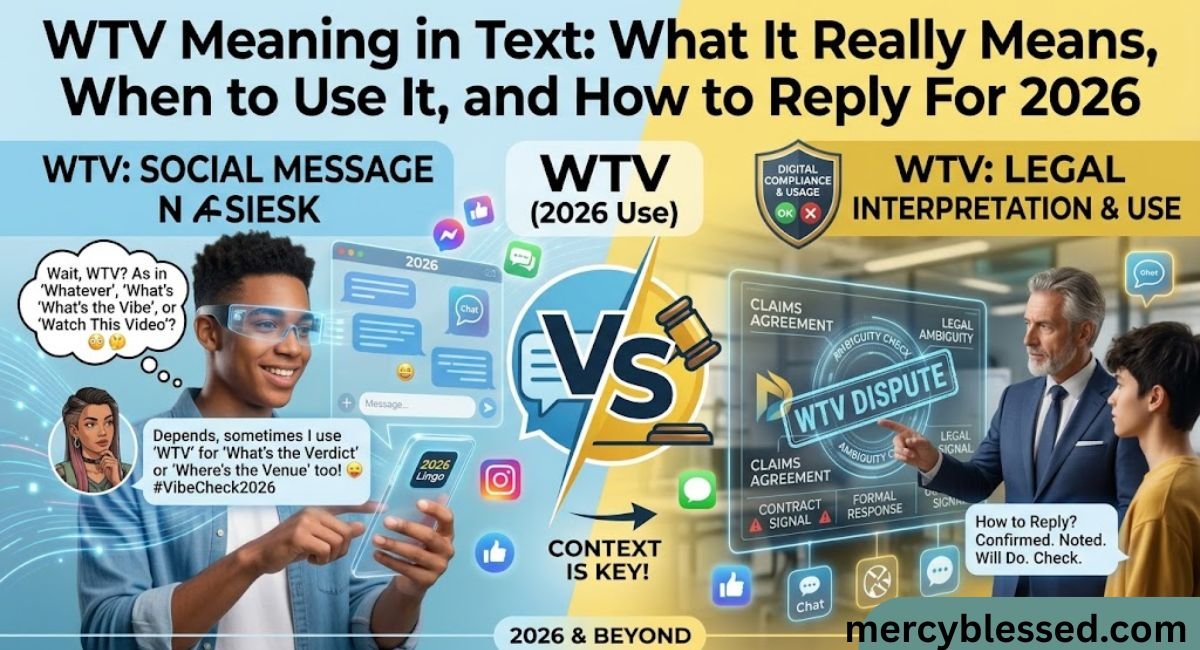
Texting moves fast, and so does slang. If you’ve ever gotten a one-word reply that just said “WTV Meaning” and wondered whether the other person was annoyed, bored, or totally fine, you’re not alone. This guide breaks down exactly what WTV means, why people type it, and how to respond without sending the wrong message.
Quick Answer Box
WTV stands for “whatever.” It’s a short texting abbreviation used to show indifference, casual agreement, mild irritation, or a wish to drop a topic. The real meaning always depends on tone, punctuation, and the relationship between the people texting.
| Element | Detail |
|---|---|
| Full form | Whatever |
| Common tone | Neutral, casual, sometimes dismissive |
| Used most by | Gen Z and Millennials |
| Common platforms | Snapchat, TikTok, Instagram, WhatsApp, Discord |
| Can be rude? | Yes, depending on context |
| Can be flirty? | Occasionally, in playful banter |
What Does WTV Mean in Text?
WTV is simply a shortened spelling of the word “whatever.” People use it to save time while typing, especially in fast-moving chats where full sentences feel unnecessary.
At its core, WTV signals one of these ideas:
- I don’t have a strong opinion either way
- I agree, but without much enthusiasm
- I’d rather not keep discussing this
- I’m mildly annoyed but don’t want to make it a big deal
Because it’s so short, WTV carries very little built-in emotion. The reader has to fill in the tone based on the conversation around it, which is exactly why it confuses so many people.
Why Do People Use WTV?
Texting culture rewards speed, and shaving off letters feels natural, especially for younger users. A few real reasons people reach for WTV:
- Convenience – It’s faster to type than the full word.
- Low-effort tone – It fits a casual, laid-back messaging style.
- Emotional buffer – It lets someone express annoyance without starting an argument.
- Group chat habits – Fast-paced group conversations favor short slang over full replies.
- Peer influence – Once a term spreads in a friend group or online community, everyone starts using it.
Is WTV Always Negative?
No. WTV is neutral by default, and its emotional weight comes entirely from context — this is one of the biggest misconceptions about the term.
- When someone types “wtv, you pick 🙂”, it usually reads as relaxed and easygoing.
- When someone types “wtv.” with a period and nothing else, it often signals frustration or a desire to end the conversation.
Punctuation, emojis, and reply timing all shift how WTV should be read. A single lowercase “wtv” rarely carries the same tone as “WTV.” typed in all caps.
Examples of WTV in Real Conversations

Example 1
A: “Pizza or burgers tonight?” B: “wtv, I’m good with either 😊” Meaning: Genuine flexibility, no negative feeling attached.
Example 2
A: “You never texted me back yesterday.” B: “wtv” Meaning: Mild irritation, possibly a sign the person doesn’t want to explain further.
Example 3
A: “Let’s reschedule the movie plan again?” B: “wtv man, it’s fine” Meaning: Reluctant acceptance, slight disappointment hidden under a casual tone.
Example 4
A: “I think we should just stay friends.” B: “wtv, whatever works for you” Meaning: Emotional distancing, often used to mask hurt feelings.
What Does WTV Mean on Snapchat?
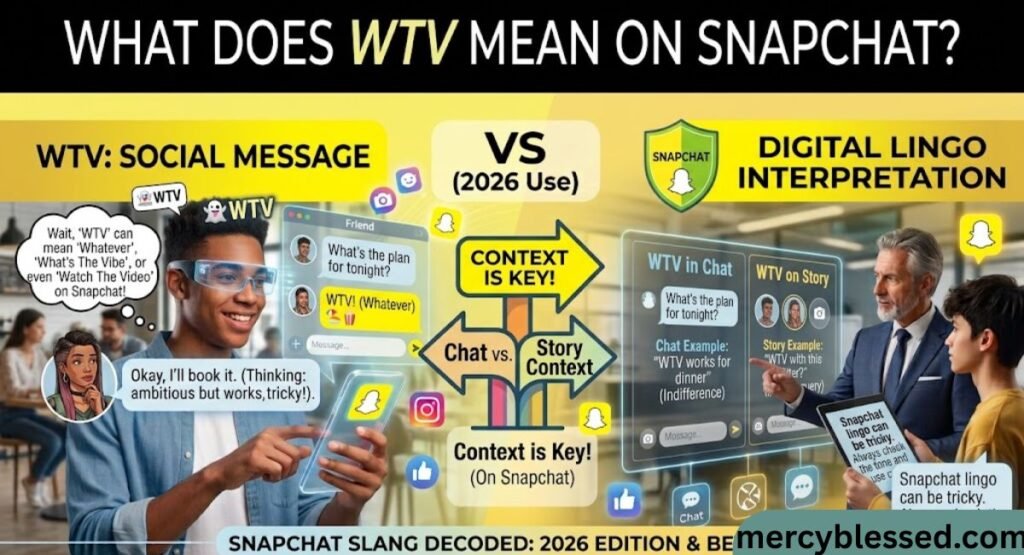
On Snapchat, WTV keeps its standard meaning of “whatever,” but the platform’s fast, disappearing-message format makes it feel even more common. Snaps and chats are meant to be quick, so short slang like WTV fits naturally into captions, replies, and streak conversations.
What Does WTV Mean on TikTok?
On TikTok, WTV shows up in comment sections, captions, and direct messages. It’s frequently used to react to a video with light indifference (“wtv, still funny though”) or to brush off a disagreement in the comments without escalating it.
What Does WTV Mean on Instagram?
On Instagram, WTV appears mostly in DMs and comment replies. It often shows up after a debate in the comments or as a quick, low-effort reaction to a story reply. The meaning stays consistent with general texting slang: indifference or mild dismissal.
What Does WTV Mean on WhatsApp?
WhatsApp conversations tend to be slightly longer and more personal than Snapchat or TikTok exchanges, so WTV on WhatsApp often appears at the end of a longer message thread. It usually signals that someone is ready to move on from a topic, whether that’s choosing a restaurant or wrapping up a minor disagreement.
What Does WTV Mean on Discord and Gaming?
In gaming chats and Discord servers, WTV is used constantly during fast back-and-forth conversations. Players type it to agree on game modes, dismiss a losing argument, or shrug off in-game trash talk without breaking focus on the match.
Can WTV Be Rude?
Yes, WTV can come across as rude, particularly when:
- It’s the only word in a reply
- It follows a serious or emotional message
- There’s no emoji, punctuation softener, or follow-up explanation
- The timing of the reply feels delayed or dismissive
In these situations, WTV can read as a verbal shrug that shuts down further conversation, which is why it can sting when used in emotionally charged moments.
Is WTV Flirty?
Sometimes, yes. In playful or teasing exchanges, WTV can carry a light, flirty undertone, especially when paired with emojis or joking follow-up texts. For example, “wtv, you know you like me 😏” reads completely differently than a flat, standalone “wtv.” Flirty WTV usage depends heavily on existing chemistry between the two people texting.
When Should You Use WTV?
WTV works well in these situations:
- Casual chats with close friends
- Low-stakes decisions, like picking food or a movie
- Light teasing or joking exchanges
- Wrapping up a minor, non-emotional disagreement
When Should You Avoid WTV?
Avoid using WTV in these situations:
- Professional or work-related messages
- Serious emotional conversations
- Messages to someone you don’t know well
- Situations where clarity matters more than casualness
| Situation | Use WTV? | Why |
|---|---|---|
| Texting a close friend about dinner plans | Yes | Low stakes, casual tone |
| Responding to a coworker’s email | No | Unprofessional, unclear |
| Reacting to a partner’s serious concern | No | Feels dismissive |
| Joking around in a group chat | Yes | Fits the casual mood |
How Do You Reply to WTV?
Replying depends on the tone you read from the message. A few practical approaches:
- If it feels neutral: Reply normally and move the conversation forward.
- If it feels annoyed: Ask a gentle follow-up question like “Everything okay?”
- If it feels dismissive in an argument: Give the person space rather than pushing harder.
- If it feels flirty: Match the playful energy with a light, teasing reply.
The safest approach is to read the full conversation, not just the single word, before deciding how to respond.
WTV vs Similar Internet Slang
| Term | Meaning | Typical Tone |
|---|---|---|
| WTV | Whatever | Neutral to dismissive |
| IDC | I don’t care | Often more blunt than WTV |
| NVM | Never mind | Ending a topic, sometimes abrupt |
| K | Okay | Can feel cold or curt |
| WBU | What about you | Neutral, conversational |
| IDK | I don’t know | Uncertainty, not necessarily indifference |
WTV differs from these terms because it specifically implies a lack of preference or interest, rather than confusion (IDK) or a flat refusal to engage (K).
Common Mistakes About WTV
- Assuming it’s always rude: Most of the time, it’s just casual shorthand.
- Ignoring context clues: Punctuation, emojis, and timing change the meaning significantly.
- Mixing it up with other abbreviations: WTV is not the same as WBU or IDC, even though they can appear in similar chats.
- Overreacting to a single WTV: One short reply doesn’t always signal a bigger problem.
Other Possible Meanings of WTV
Outside of texting slang, WTV can occasionally stand for other things depending on context, such as:
- Whitewater (WTV) in outdoor recreation contexts
- Web TV in some media and streaming discussions
- A regional TV station abbreviation used by certain broadcasters
These meanings are far less common in everyday texting, where “whatever” remains the dominant interpretation.
FAQs
Does WTV always mean someone is upset?
No. WTV is neutral by default and only signals annoyance when paired with short replies, delayed timing, or a tense conversation topic. (WTV Meaning)
Is it okay to use WTV with a crush?
Yes, in playful, low-stakes moments, but avoid it during serious or emotional conversations since it can feel dismissive. (WTV Meaning)
What’s the difference between WTV and K?
WTV implies indifference or flexibility, while “K” often feels more abrupt and can read as colder in tone. (WTV Meaning)
Should I use WTV in professional messages?
No. WTV is casual internet slang and doesn’t fit workplace or formal communication.
How can I tell if WTV is meant to be rude?
Look at the surrounding conversation. A standalone WTV after a serious message, with no emoji or explanation, often signals irritation. (WTV Meaning)
Conclusion
WTV meaning is one of those small texting abbreviations that carries a surprisingly wide range of meaning. In most cases, it simply means “whatever,” reflecting indifference or easygoing flexibility. But depending on tone, punctuation, and the situation, it can also signal frustration, emotional distance, or even playful flirting. The best way to understand what someone means by WTV is to look at the full conversation, not just the three letters themselves. Once you get comfortable reading the context, you’ll never have to second-guess a “wtv” text again. (WTV Meaning)

hi