


Have you ever texted someone some big news—only to get back a simple “Unfazed Meaning”—and wondered exactly what they mean? You’re not alone. The word “unfazed” pops up constantly in text messages, Twitter threads, Reddit comments, and TikTok captions. It sounds confident, casual, and cool. But what does it actually mean in modern chat culture, and how do you use it correctly?
This guide breaks it all down — the core definition, real-life texting examples, common mistakes, and the slang terms that go hand-in-hand with it. Let’s get into it.
See also: Hetero Meaning: What “Hetero” Really Means in Chat, Texts & Online Slang
What Does “Unfazed” Mean in Chat or Text?
At its core, unfazed means calm, unaffected, or undisturbed by something that might normally rattle, stress, or surprise someone. When someone says they’re unfazed in a text or online post, they’re signalling that whatever happened didn’t shake them—emotionally or mentally.
Simple definition: Not worried, bothered, or thrown off by something.
Where Does “Unfazed” Come From?
The word comes from standard English. Faze means “to disturb or disconcert,” so unfazed literally means “not disturbed.” According to the Oxford English Dictionary, its earliest documented use dates back to 1855. Merriam-Webster defines it as simply “not fazed: undaunted.”
While it’s been in the English language for over a century, it has exploded in popularity on social media and in text conversations since the late 2010s — especially as a way to project confidence, emotional strength, or chill energy online.
“Unfazed” vs. “Unphased” — Which Is Correct?
This is one of the most searched questions about this word, and the answer is clear: unfazed is always correct. Unphased is a common misspelling caused by confusion with the word phase (meaning a stage or period). Since faze means “to bother,” and phase means “a step,” these are two completely different words. Most style guides — both American and British — flag unphased as an error when used to mean “not bothered.”
Quick rule: If you mean calm and unbothered, write unfazed. Every time.
How People Use “Unfazed” in Real Conversations
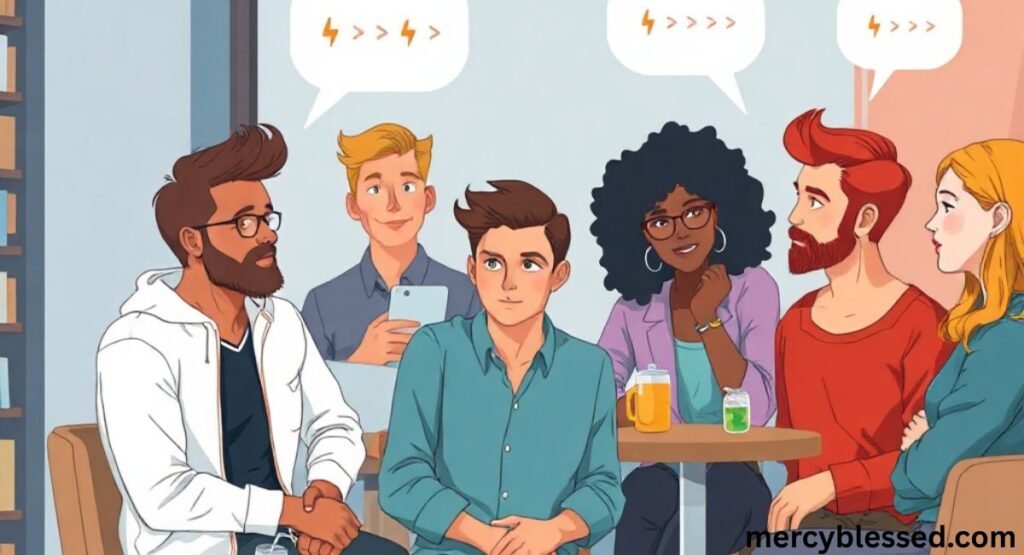
Context matters a lot with this word. In everyday digital communication, unfazed shows up in three main ways:
1. As a Self-Description (Flex or Confidence)
People use it to show they’re not rattled by criticism, drama, rejection, or bad news. It often signals emotional maturity or self-assurance.
- “They said my work wasn’t ready. Unfazed — I know what I made.”
- “Got cut from the team. Honestly, unfazed. Bigger things coming.”
2. To Describe Someone Else
You’ll see it used to describe a person who kept their composure in a tough situation — real or fictional.
- “She walked into that interview unfazed. Total legend.”
- “He got roasted in the comments and remained completely unfazed.”
3. As a Standalone Reaction
In casual texting, unfazed is often dropped as a one-word response to convey nonchalance.
- Friend: “They posted about you online.” → You: “Unfazed.”
- Friend: “The server crashed before you could save.” → You: “Unfazed. Had a backup.”
Platform-by-Platform Usage
| Platform | How “Unfazed” Is Typically Used |
|---|---|
| Text/iMessage | One-word reply or short phrase to show calmness |
| Twitter/X | Caption or reply to flex composure after drama |
| TikTok | Video caption showing someone staying calm under pressure |
| Used to describe a person or character who didn’t react | |
| Gaming chats | After taking a hit or losing a round — signals focus |
| Dating apps | Shows emotional stability or confidence after rejection |
Real-Life Examples of “Unfazed” in Text Messages
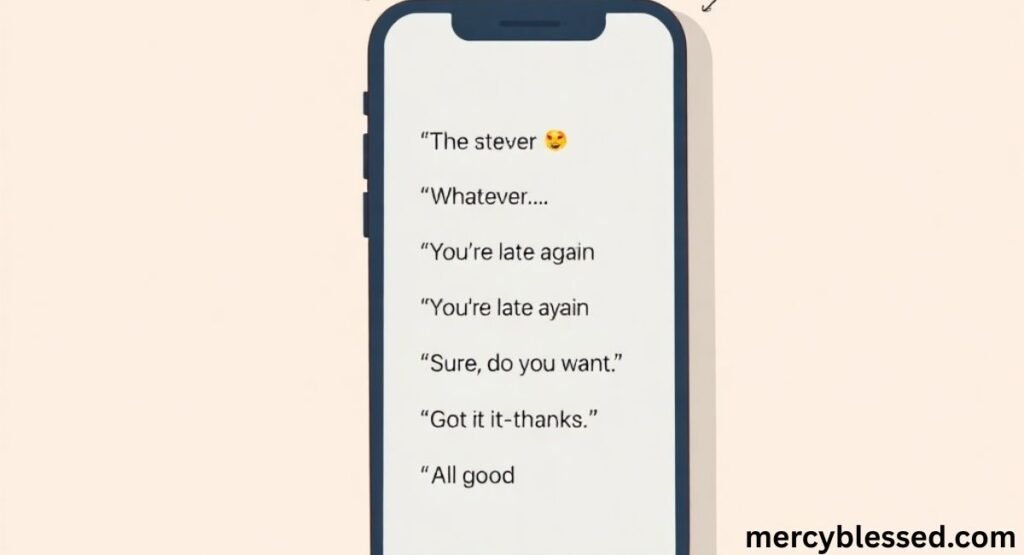
Seeing the word in action is the best way to understand it. Here are realistic texting scenarios you might actually encounter:
Scenario 1 — Getting Criticised Online
Alex: “People in the comments are dragging your post.” Jamie: “Unfazed. Let them talk.”
What it means: Jamie is not upset or affected by the negativity. They’re choosing not to engage emotionally.
See also : Dissertation Meaning: What It Really Means in 2025
Scenario 2 — Rejection at Work
Sam: “Did you hear? They gave the promotion to someone else.” Jordan: “Yeah. Unfazed, honestly — there’s a better opportunity out there.”
What it means: Jordan is showing calm confidence rather than bitterness. The word signals resilience.
Scenario 3 — Gaming Under Pressure
Player 1: “We’re down 3–0, this is over.” Player 2: “Unfazed. We’ve come back from worse.”
What it means: Player 2 is not mentally rattled. They’re keeping a clear head when it counts.
Scenario 4 — Social Drama
Friend: “She’s been telling everyone you said that.” You: “Honestly? Unfazed. I know my truth.”
What it means: You’re choosing peace over reaction — a mature, self-aware response.
Scenario 5 — A Bold One-Word Reply
Group chat: “Did you see what they posted about the team??” You: “Unfazed 🤷”
What it means: Short, confident, and dismissive of the drama. The emoji amplifies the chill vibe.
Common Mistakes & Misunderstandings
Even though unfazed is a simple word, people misuse it more than you’d think. Here’s what to watch for:
❌ Mistake 1: Spelling It “Unphased”
As covered above, unphased means something completely different (a change introduced without stages). If you mean emotionally unbothered, it’s always unfazed.
❌ Mistake 2: Using It in Serious or Tragic Situations
If someone shares genuinely difficult news — a loss, a crisis, a health issue — responding with “unfazed” can come across as cold or dismissive. Read the room. The word works best in low-to-medium stakes situations: criticism, drama, minor setbacks.
❌ Mistake 3: Overusing It
Like any slang, dropping unfazed too often can make it seem forced or try-hard. Reserve it for moments when it genuinely fits.
❌ Mistake 4: Confusing It With “Indifferent”
Being unfazed isn’t the same as not caring at all. Someone unfazed might care deeply — they’re just not shaken by what happened. It describes emotional composure, not apathy.
✅ When to Use It
Use unfazed when:
- You or someone else genuinely remained calm under pressure
- You want to project confidence without boasting
- You’re reacting to criticism, drama, or a setback in a chill tone
- The situation is casual, not serious or sensitive
Related Slangs & Abbreviations
If you’re using unfazed in chats, you’ll likely come across these related words and expressions too. Here’s a quick reference:
| Word / Phrase | Meaning | Vibe |
|---|---|---|
| Unbothered | Not affected by drama or negativity | Very close synonym; slightly more informal |
| Chill | Relaxed and easygoing | General calm attitude |
| Lowkey | Subtle, understated, not making a fuss | Quiet confidence |
| Unshaken | Emotionally stable; not rattled | Slightly more formal |
| Slay and move on | Perform well and ignore negativity | TikTok / Gen Z energy |
| IDGAF | “I don’t give a ****” | More intense, explicit version |
| No cap | Seriously, no exaggeration | Used to emphasize a real reaction |
| Main character energy | Confidence in your own narrative | Social media self-assurance |
| Stoic | Enduring difficulty without complaint | Formal / philosophical tone |
| Composed | Calm and in control | Professional / neutral alternative |
Formal Alternatives to “Unfazed”
If you’re writing professionally — a work email, report, or formal message—swap “unfazed” for one of these:
- Composed
- Unaffected
- Undaunted
- Imperturbable
- Calm under pressure
FAQs
What is the simple definition of unfazed?
Unfazed means not bothered, not disturbed, or not emotionally thrown off by something stressful or surprising.
Is “Unfazed Meaning” a slang word?
Not originally — it’s standard English. But in chat and social media culture, it’s widely used as casual slang to signal confidence or indifference to drama. (Unfazed Meaning)
What’s the difference between unfazed and unbothered?
They’re very similar. “Unfazed meaning” often implies staying composed under pressure; “unbothered” leans more toward not caring what others think. Both convey calm confidence.
Is it “unfazed” or “unphased”?
Always unfazed. “Unphased” is a common misspelling and means something entirely different (not done in stages). (Unfazed Meaning)
Can I use unfazed in a professional email?
It’s best suited for casual contexts. In professional writing, use “unaffected,” “composed,” or “undaunted” instead.
Is being unfazed a positive thing?
Generally yes — it signals emotional strength, composure, and resilience. In some contexts, though, appearing unfazed by something serious can seem cold or dismissive. (Unfazed Meaning)
What’s the opposite of unfazed?
The direct opposite is unfazed—meaning not bothered, rattled, or disturbed. Other opposites include: shaken, unsettled, anxious, and and flustered. (Unfazed Meaning)
Conclusion
Whether you see it in a group chat, a TikTok caption, or a tweet, unfazed carries a clear message: “Whatever just happened? I’m good.” It’s a word that signals emotional control, quiet confidence, and the ability to stay steady when things get chaotic.
The core meaning hasn’t changed since it first appeared in the 1800s — but in 2025, it’s taken on a new life as a go-to expression in digital communication. Just remember to spell it correctly (unfazed, not unphased), read the room before dropping it in serious conversations, and use it when it genuinely fits — not just for style.
Now that you know exactly what it means, where it comes from, and how to use it — you’re the one who’s truly unfazed.

hi